What the storm took. What it couldn't.
It's taken a minute to write this.
Not because I don't know what happened. I was there. I watched it happen. It's that returning to disaster — especially when it's not inside your home — requires a particular kind of resilience that nobody talks about. The kind that makes you stand in a field that used to feed people and figure out how to account for what's gone, while you're still too numb to stand.
So let me try.
What the storm took
The Kona Low came through in March 2026 and rearranged everything.
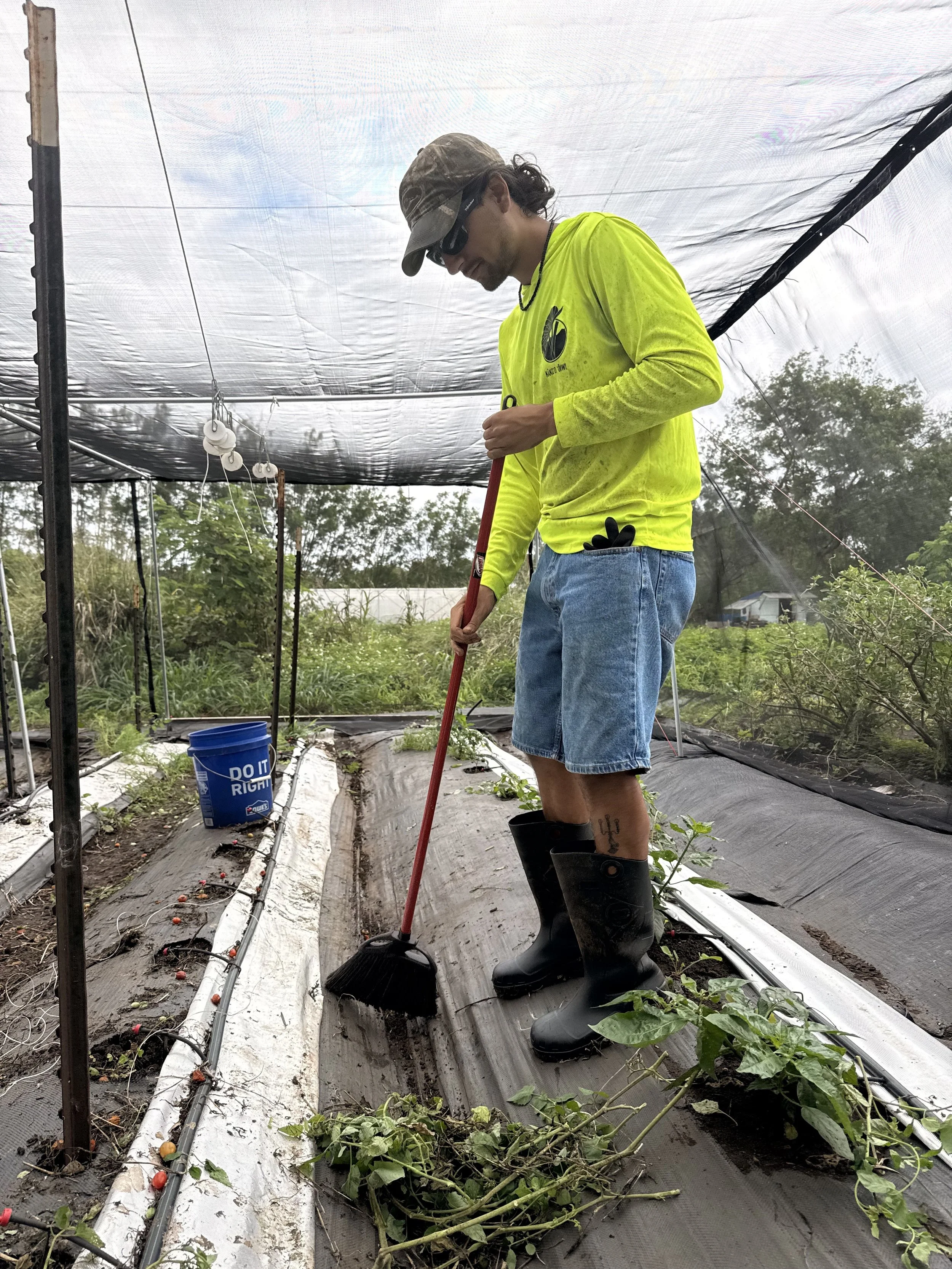
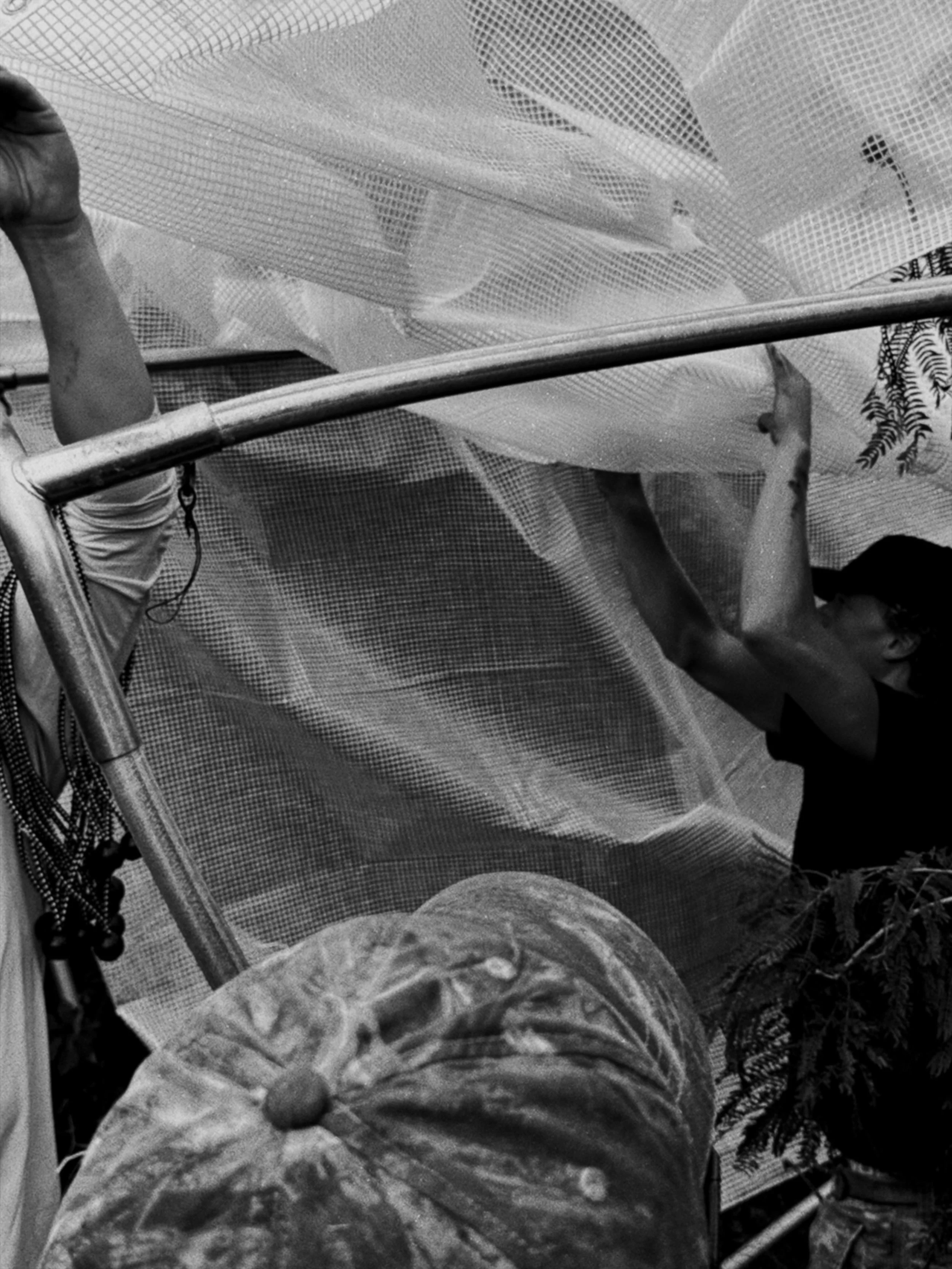
Our nursery unit flew 400 feet in the wind and landed in the berm. It took the irrigation lines with it. Gone. The system that moves water from source to soil, the veins of this farm, was ripped out of the ground and scattered across the field like they were nothing.
The nursery tables were full. Every tray, every start, every seed we had placed with intention into soil — flipped over and left to drown in standing water. Plants that had been weeks away from feeding someone. Seeds that never saw the light of day.
Bags of bone meal, soaked through and seething with maggots by the time the water receded. Pesticides drowned out. Soil amendments are contaminated. The packaging we use to bring our products to market is soggy and destroyed. The shed that held it all — broken. Our shadehouse warp and all the thousands of tomatoes inside are rotten.
In total, approximately $3,500 in direct losses. That number doesn't include the weeks of income we couldn't earn while the ground was still underwater. Every day that passes without a functioning farm is a day that adds to a debt that has no invoice.
What the storm couldn't take
The storm did not take the mission.
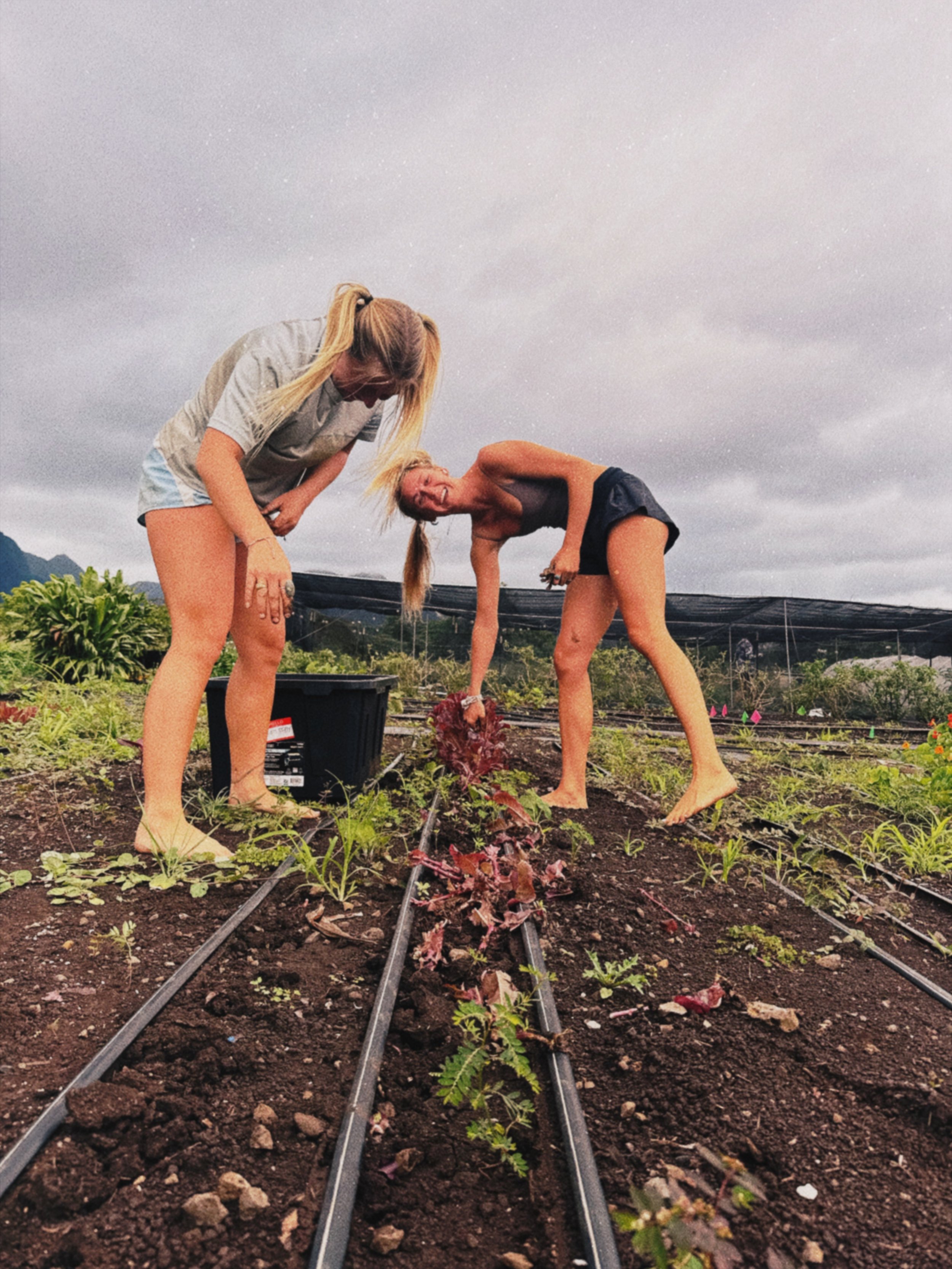
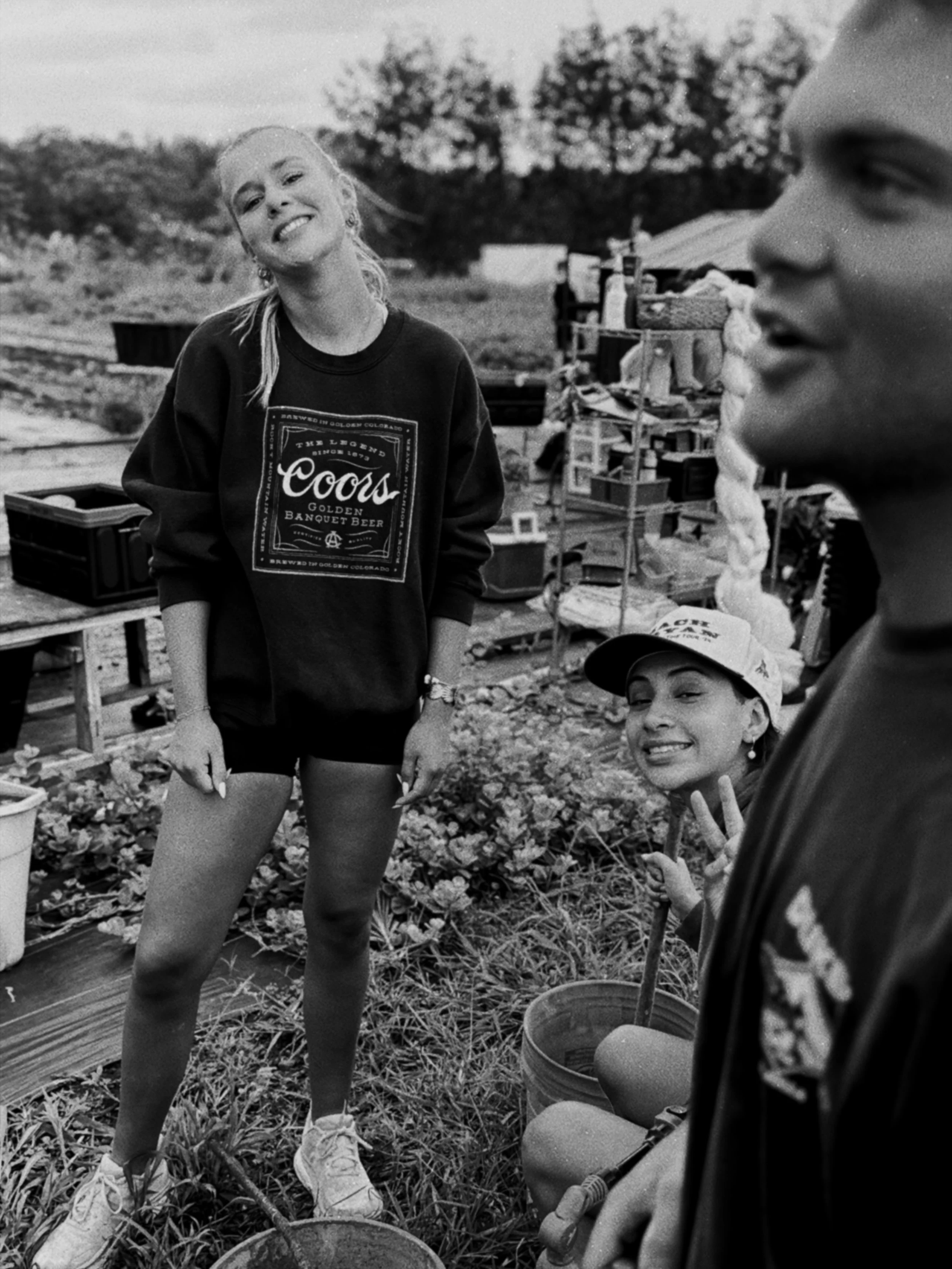
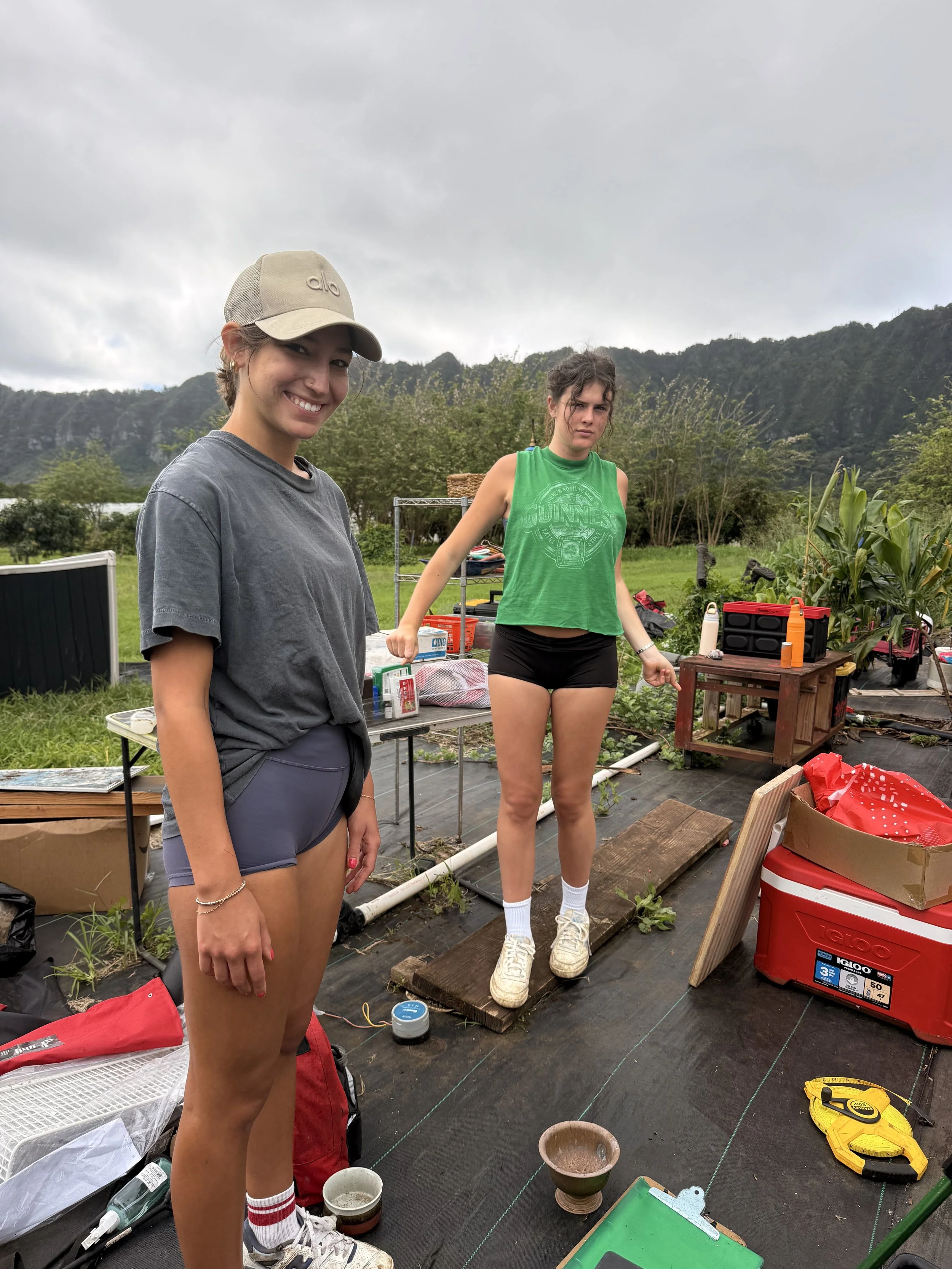
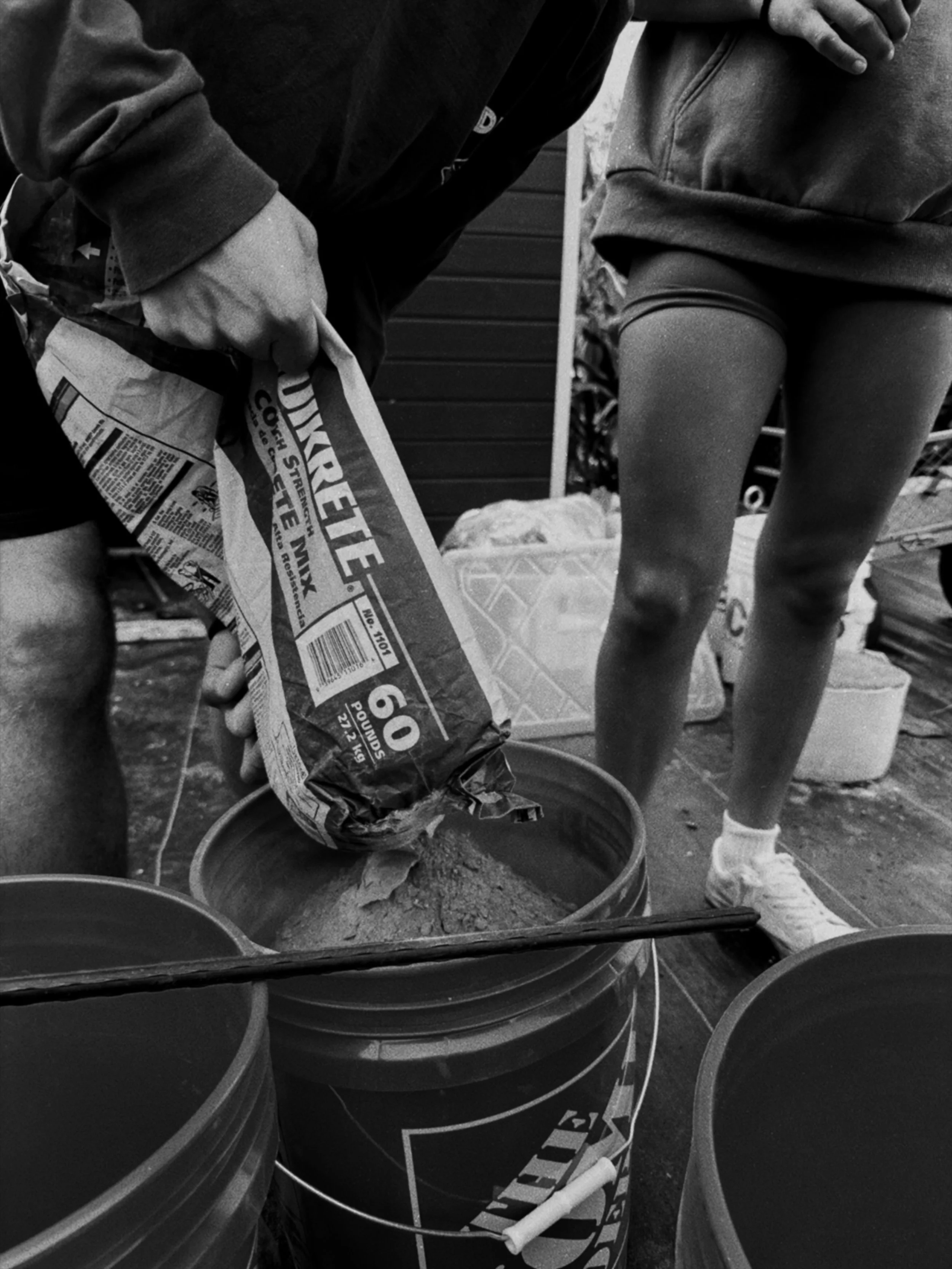
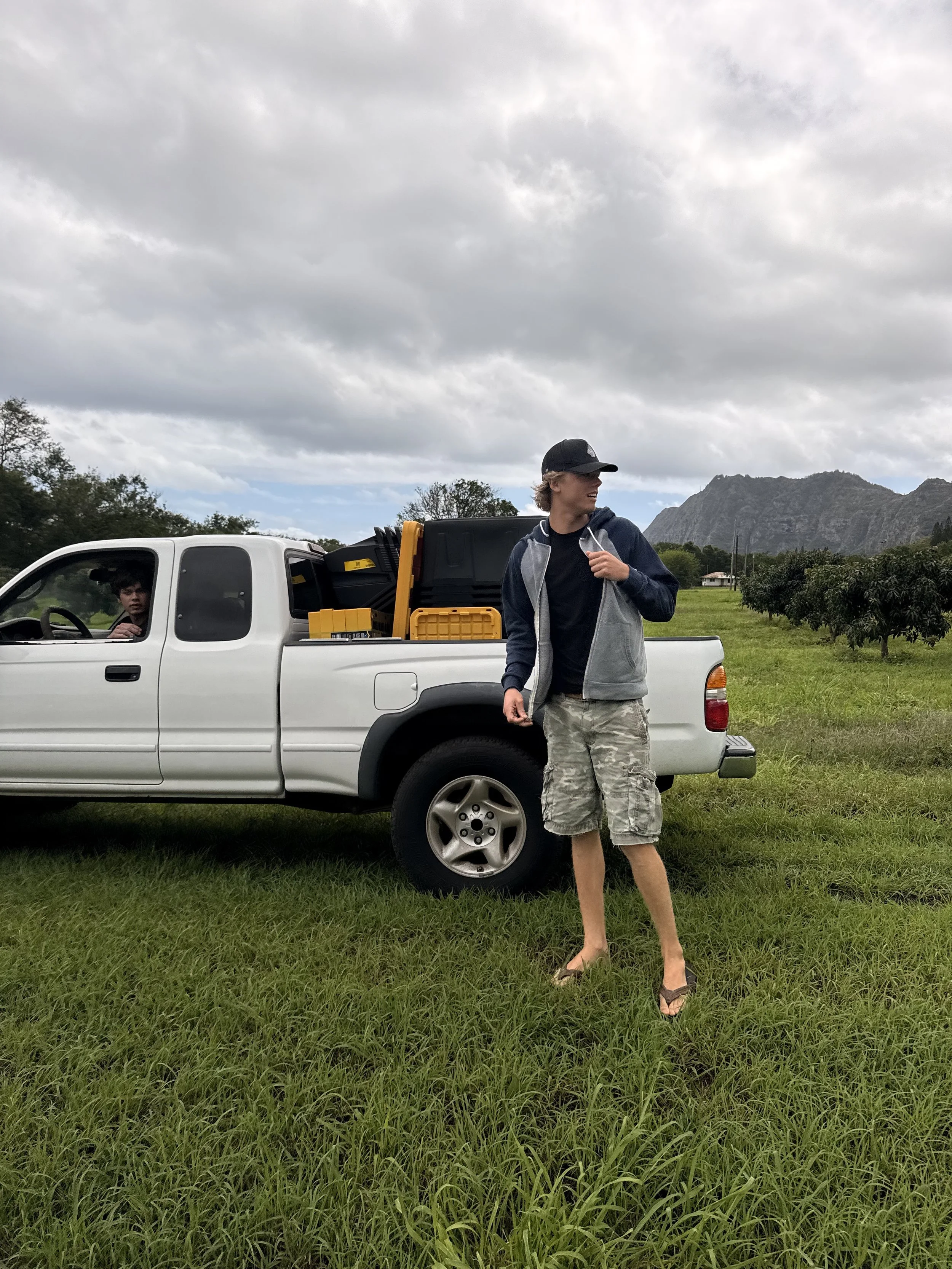
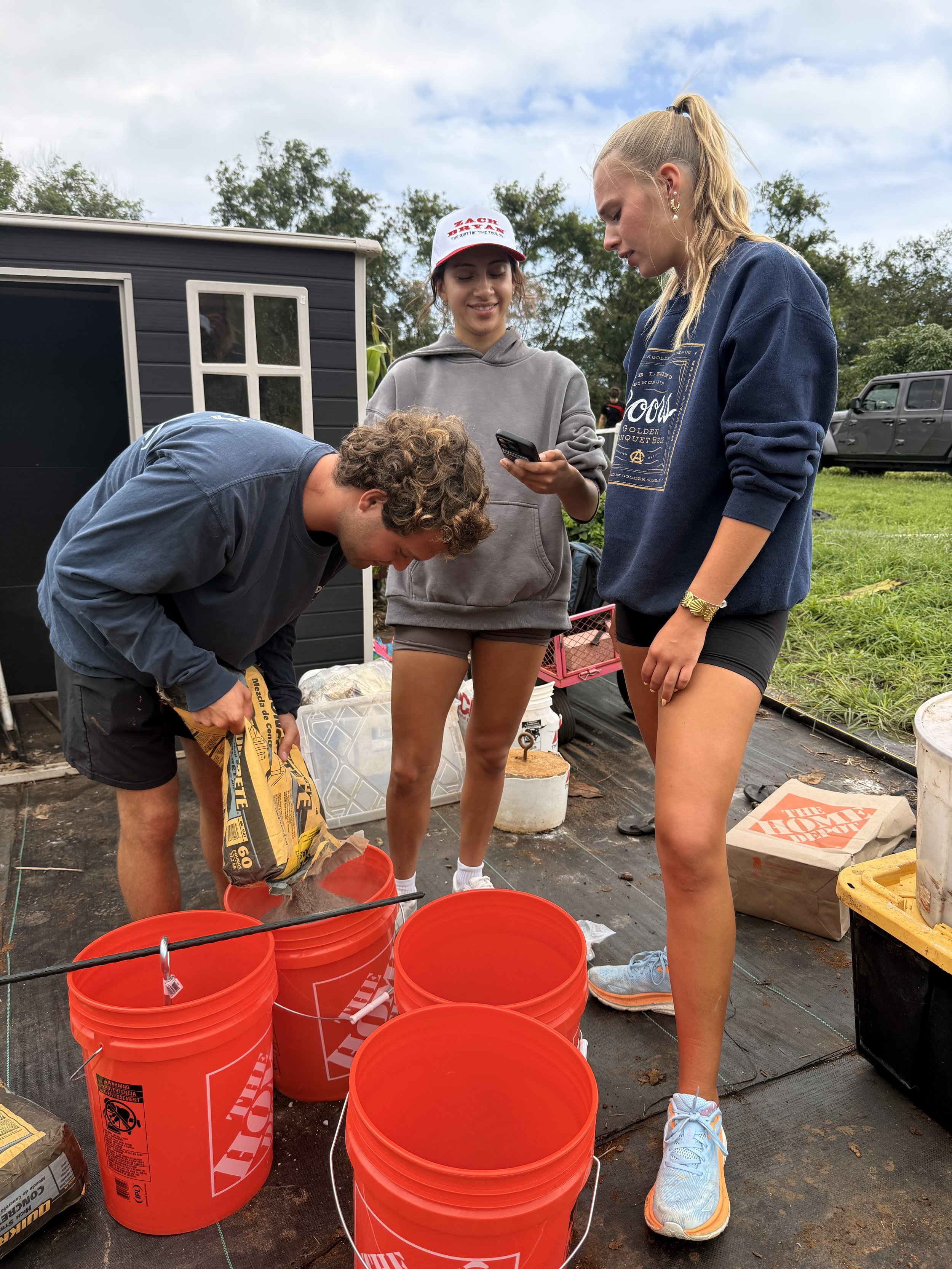
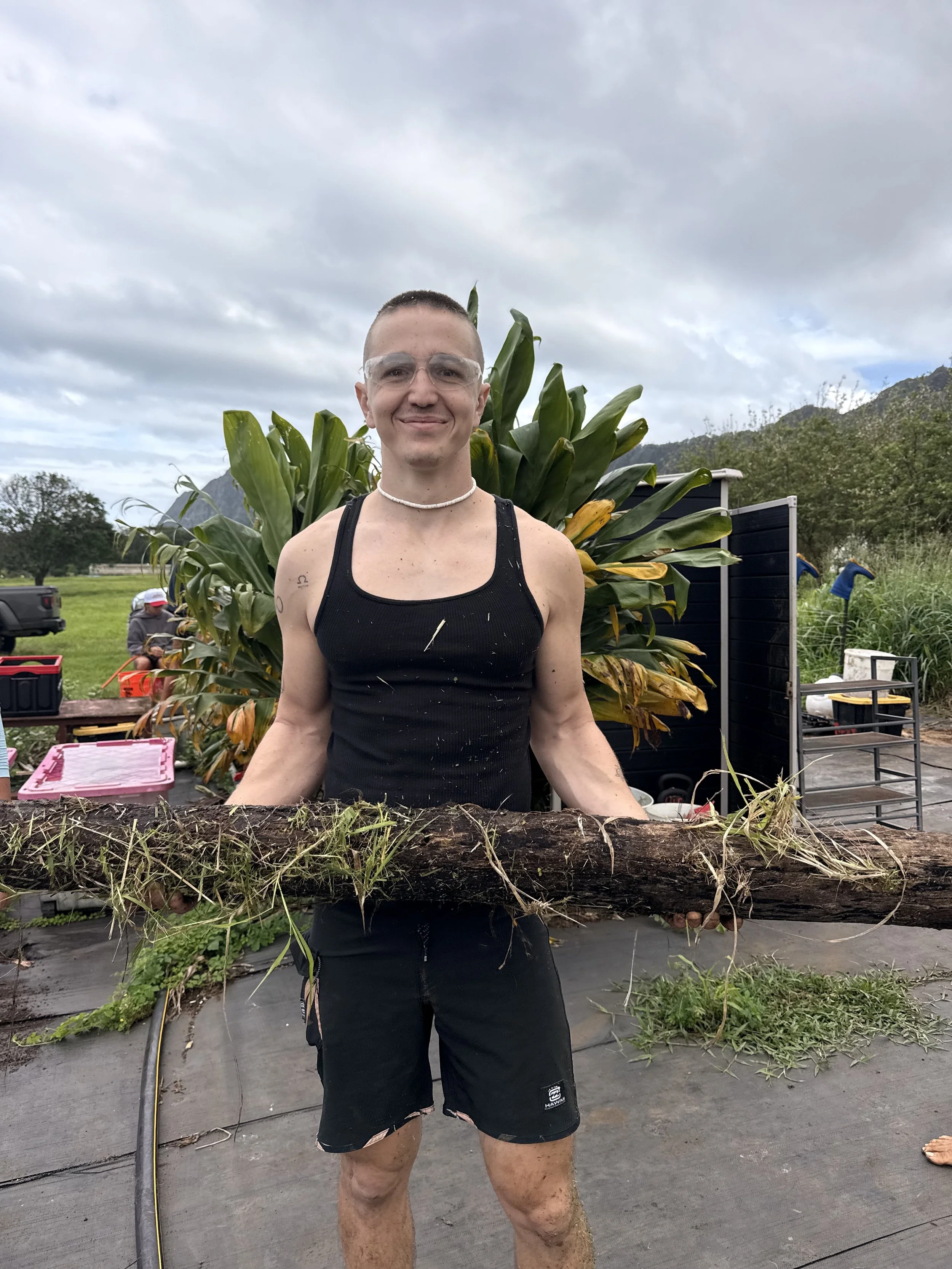
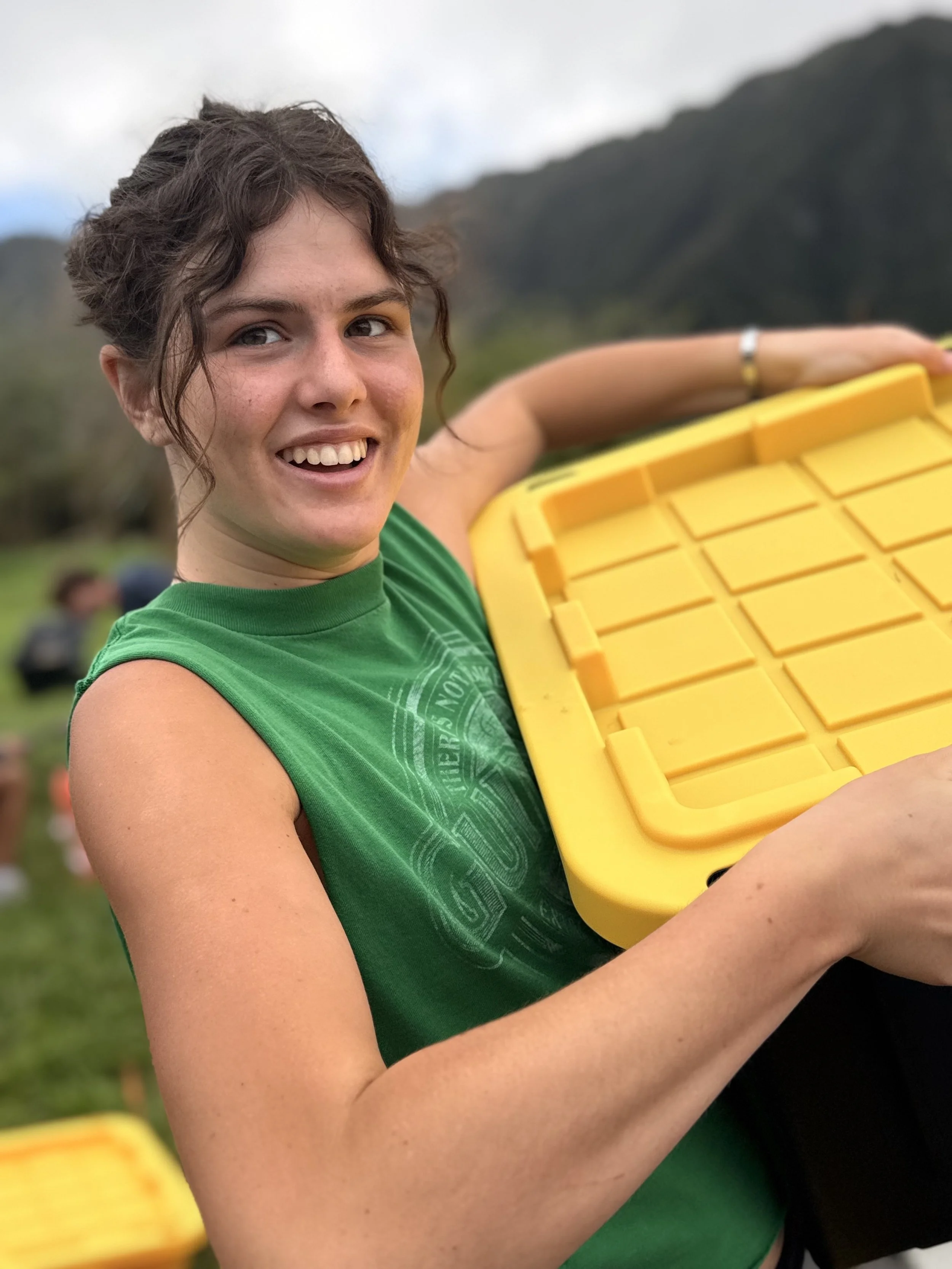
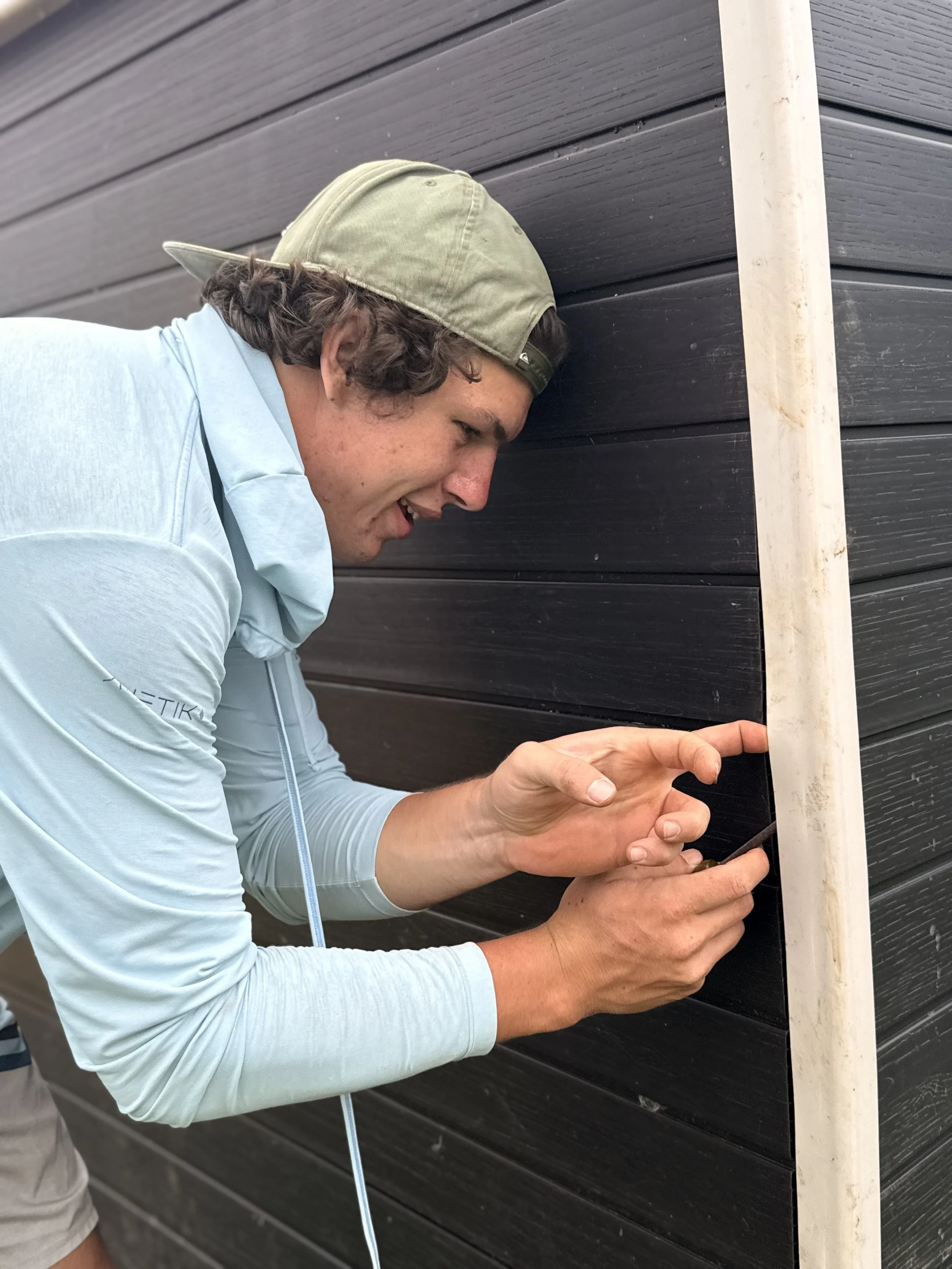
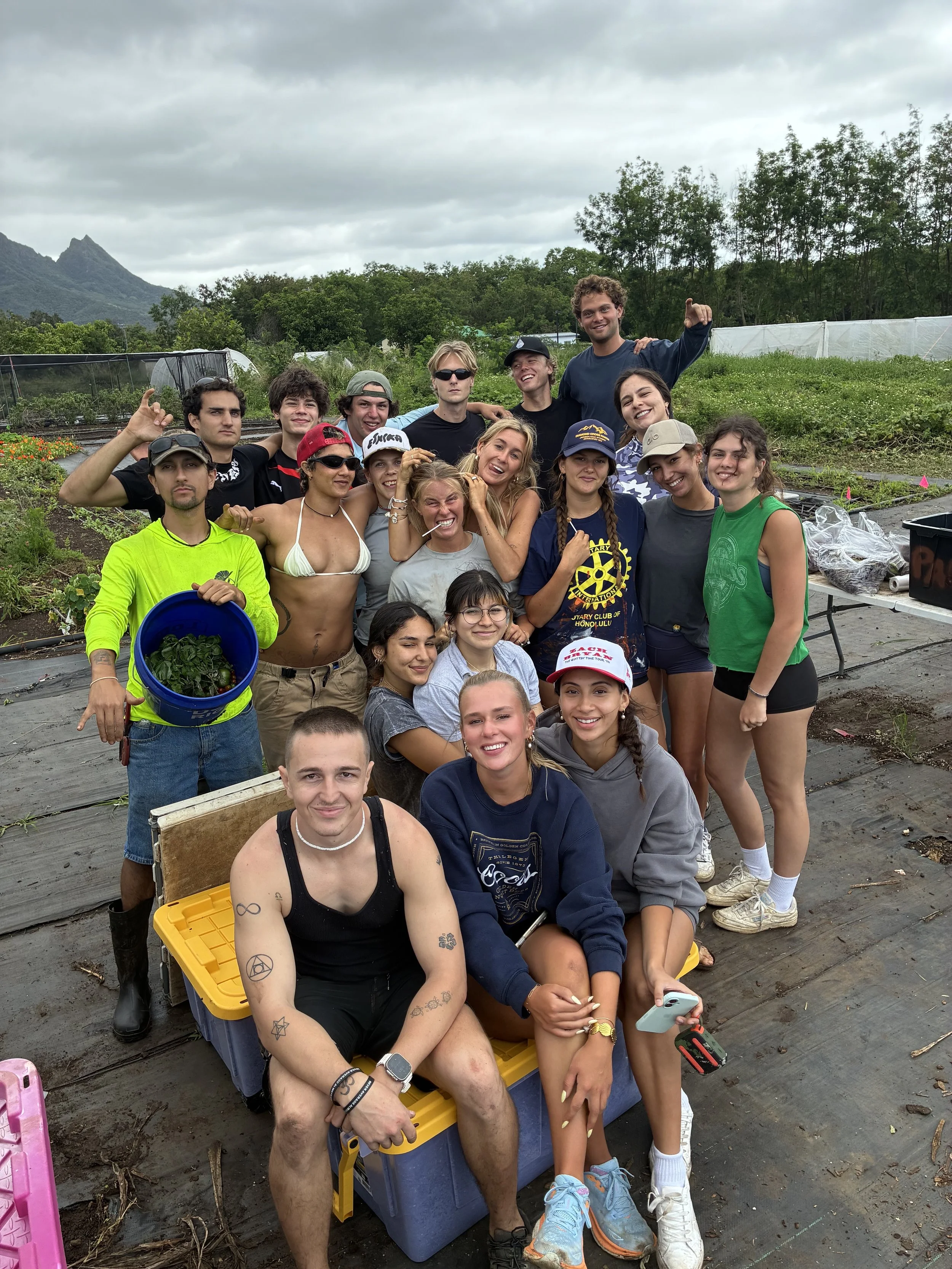
People showed up in ways I would never have thought to ask for. I host volunteer days regularly, and it's always a coordination challenge. But last weekend, when the skies finally cleared and the ground dried out enough that we weren't getting cars stuck in the mud, people organized themselves. Nobody waited to be called. Nobody asked what to do. They just came.
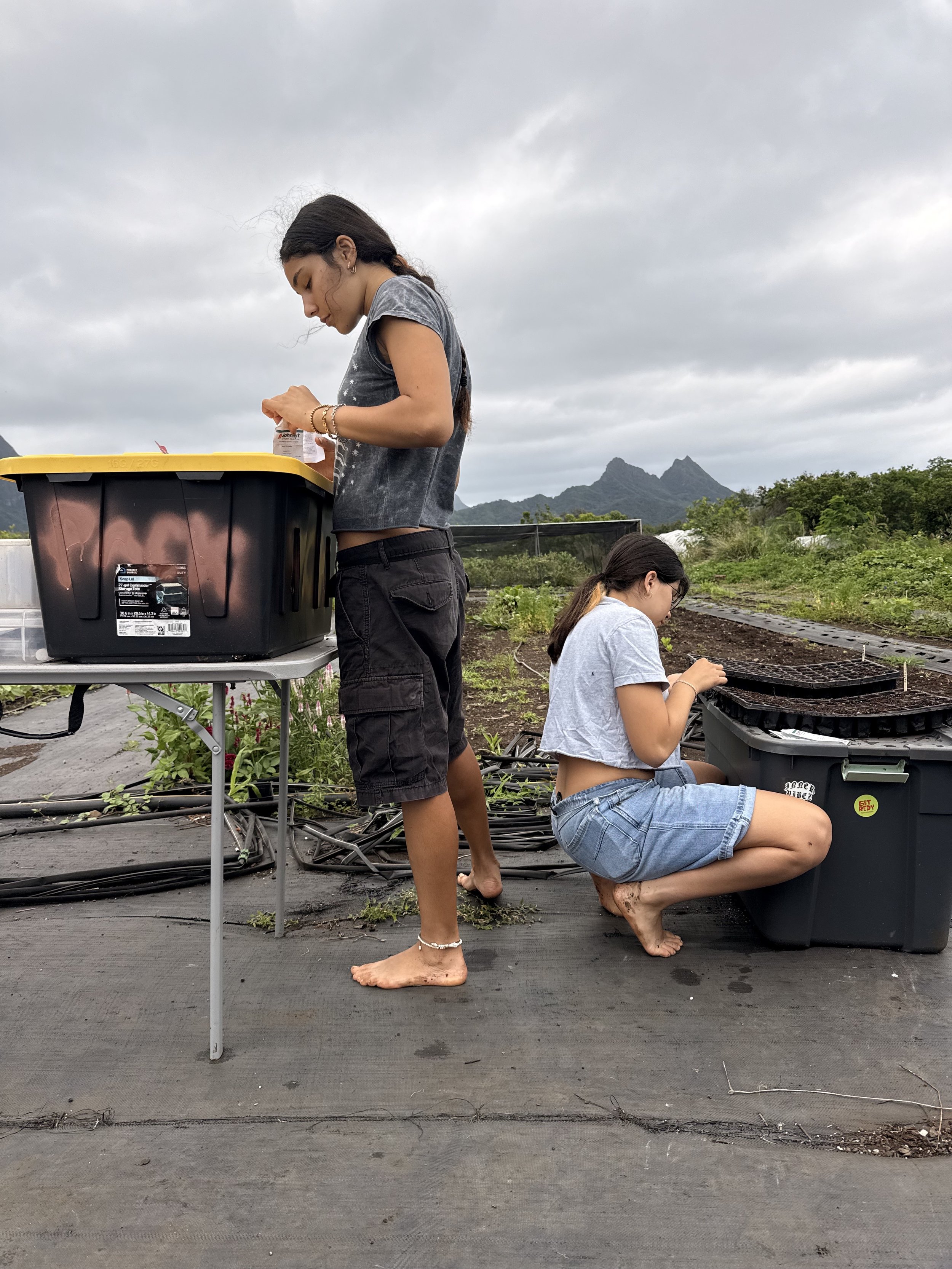
Not just people. A group of college students. The next generation came out to do the work that needed to be done. There is nothing like watching young people take initiative in a space that matters. It doesn't fix what was broken. But it tells you that what you're building is worth rebuilding.
I've always been someone who leads with skill. I know what I know. I've spent years developing a practice that doesn't need to apologize for itself. Asking for help has never been the challenge. The challenge comes in finding people who can meet the work where it is; that's always been the harder thing.
But this moment has taught me something I didn't expect: there's a difference between what you want and what you need. I want to do things my way, on my timeline, at my standard. I've earned that. But right now I need to do it by any means necessary. And in learning to let go of what was lost, I've gained something harder to quantify than any inventory line item.
I've gained trust. Trust in the purpose. Trust that the reason this farm exists is bigger than any one season, any one storm, any one set of losses that can be counted on a spreadsheet.
What we're asking for
We are not asking to be made whole overnight. We are asking for a bridge.
The immediate need is $5,000 to replace what was destroyed: infrastructure, irrigation, nursery equipment, soil inputs, packaging, and the market tent that is our storefront to the community. Beyond that, we are pursuing grant funding to build the infrastructure that makes us more resilient going forward.
But right now, in this moment, what we need most is to get back in the ground.
The seeds are waiting. The beds are drying out. The community is ready.
So are we.
How to help
Pre-order the Get Redy Mesh Jersey — our first fundraising drop. Every purchase goes directly to farm recovery.
Donate directly via GoFundMe — any amount moves the needle.
Share this story — visibility matters more than most people realize. The farms that survive are the ones people know about.
Come volunteer — follow @getredyfarm on Instagram for the next volunteer day announcement.