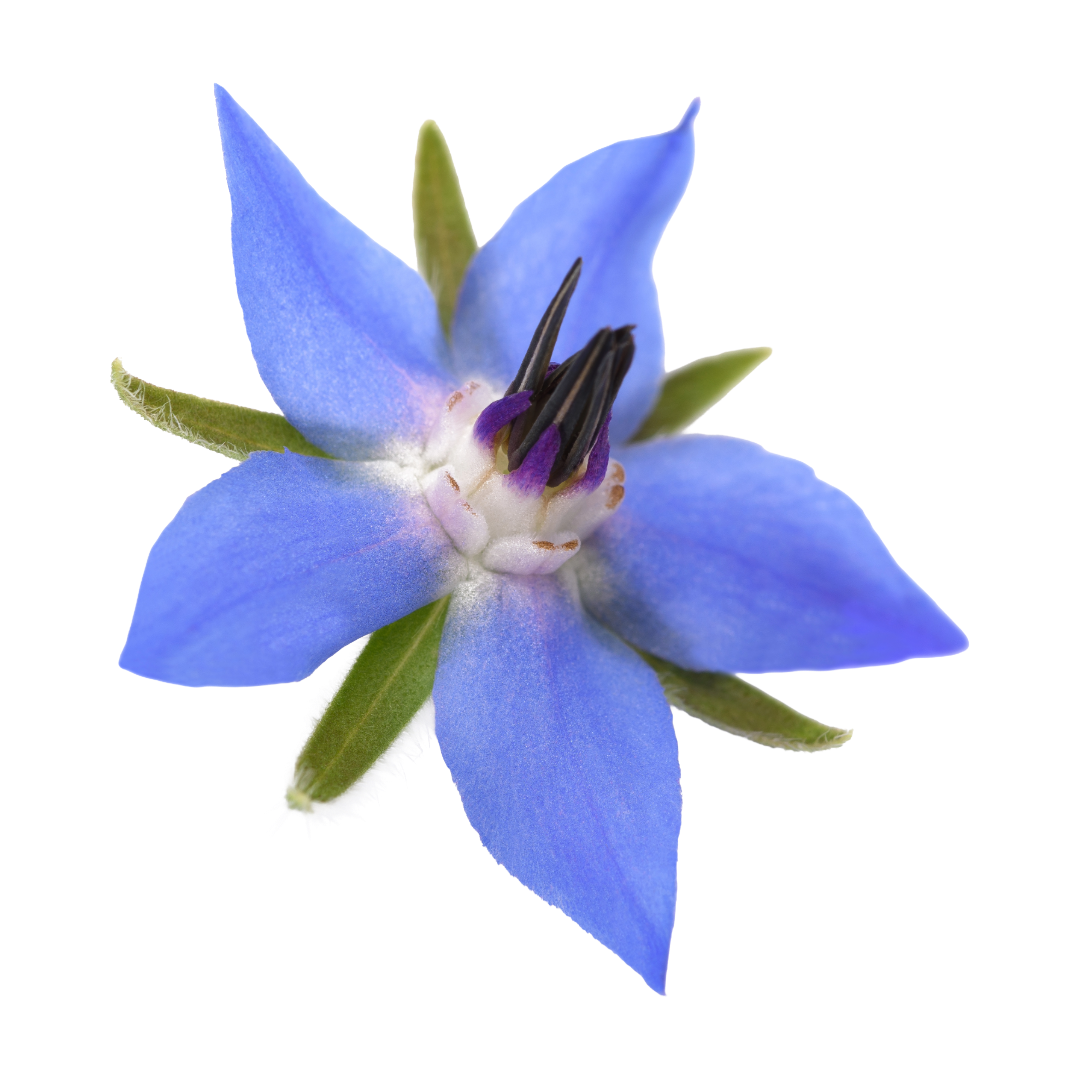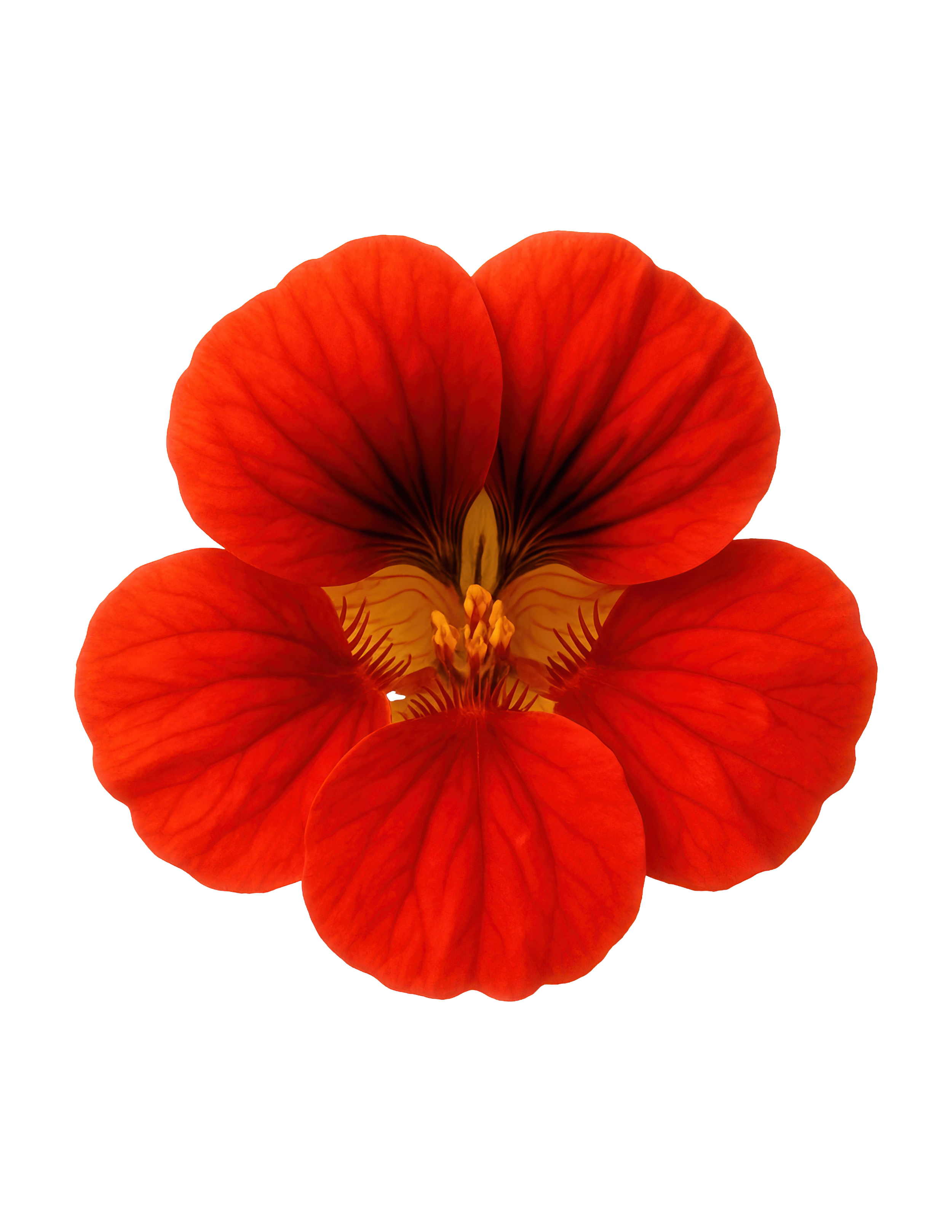
Nasturtium flowers
Culinary Uses:
Peppery Greens Substitute (Leaves)
Nasturtium leaves work as a sustainable alternative to arugula or watercress. Use them fresh in salads, pesto, or folded into grain bowls.Garnish + Flavor Amplifier (Flowers)
The flowers add a mild heat and brightness. Float them on soups, plate them with roasted vegetables, or finish proteins with them.Nasturtium “Capers” (Seed Pods)
Pick immature green seed pods and pickle them in vinegar, salt, and spices. They become a caper-like condiment with zero waste and long shelf life.Herbal Butter or Compound Oil (Leaves + Flowers)
Finely chop leaves and petals into butter or infuse them into oil. The result is a lightly spicy, aromatic fat that elevates bread, fish, and vegetables.Edible Wraps & Stuffed Leaves (Leaves)

Larger leaves can be blanched and used like grape leaves—stuffed with grains, legumes, or herbs.
Culinary Uses:
Peppery Greens Substitute (Leaves)
Nasturtium leaves work as a sustainable alternative to arugula or watercress. Use them fresh in salads, pesto, or folded into grain bowls.Garnish + Flavor Amplifier (Flowers)
The flowers add a mild heat and brightness. Float them on soups, plate them with roasted vegetables, or finish proteins with them.Nasturtium “Capers” (Seed Pods)
Pick immature green seed pods and pickle them in vinegar, salt, and spices. They become a caper-like condiment with zero waste and long shelf life.Herbal Butter or Compound Oil (Leaves + Flowers)
Finely chop leaves and petals into butter or infuse them into oil. The result is a lightly spicy, aromatic fat that elevates bread, fish, and vegetables.Edible Wraps & Stuffed Leaves (Leaves)
Larger leaves can be blanched and used like grape leaves—stuffed with grains, legumes, or herbs.