
8 Farmers Growing Oʻahu’s Food Future
The tides are shifting. A new wave of farmers is emerging. People are choosing to return to the land at a time when Hawaiʻi is rethinking how its food is grown. Many of these growers share a common foundation through GoFarm Hawaiʻi, a farmer training program that has helped launch a new generation of small-scale producers across the islands.
The eight farmers featured here are part of a growing movement: educators, career changers, and community builders who are turning training into practice. From kalo and māmaki tea to lei flowers, orchards, vegetables, and vertical tower gardens, they are cultivating more than crops. They are rebuilding soil health, preserving agricultural knowledge, and creating pathways for others to reconnect with farming.
At a time when Hawaiʻi imports the majority of its food, these farmers represent a grassroots resurgence of local agriculture. Their work is helping reshape the island’s food future, but like all small farms, their success depends on community support.
Supporting them means supporting the future of farming in Hawaiʻi.
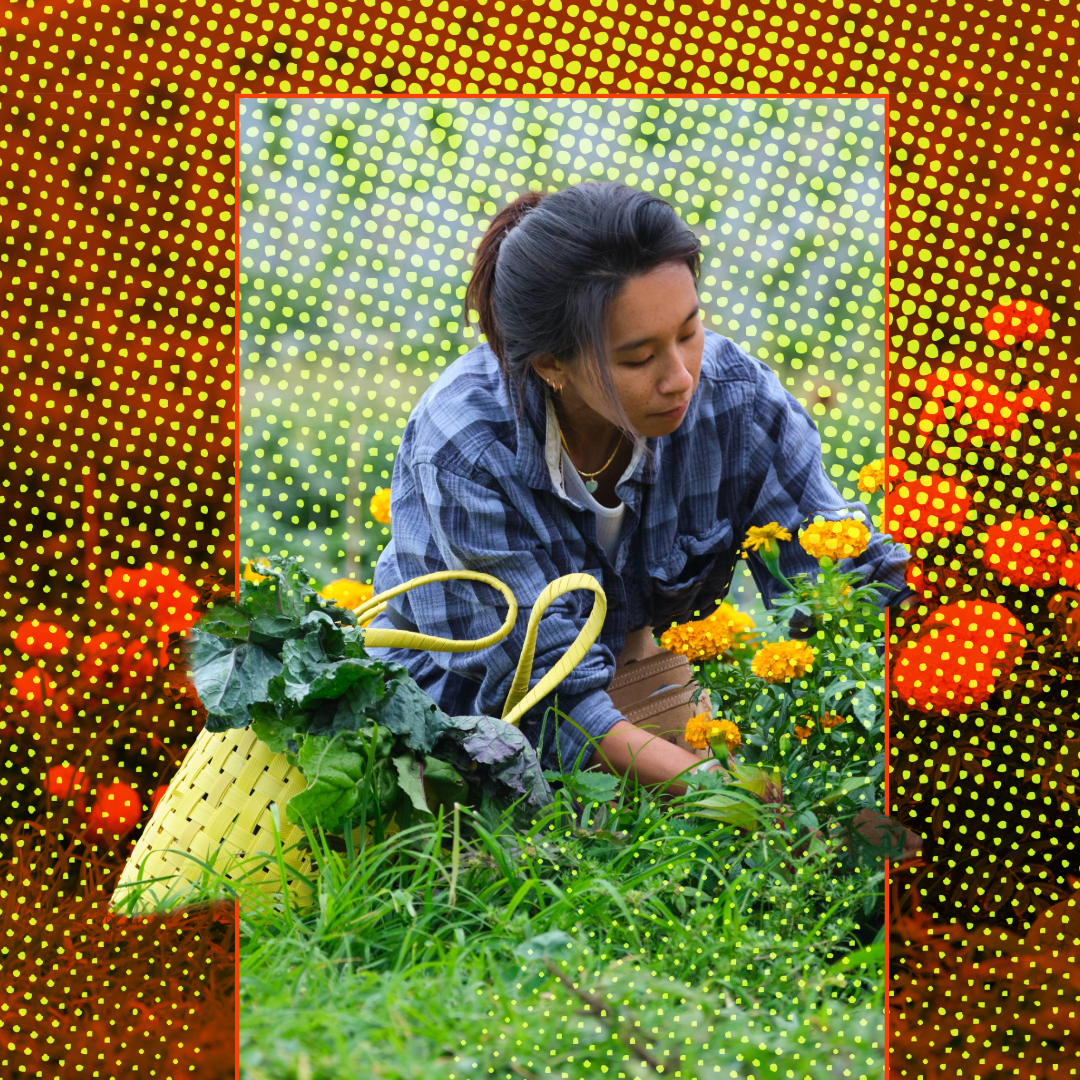
1. Sheanae
At the intersection of art, agriculture, and cultural practice, Sheanae Tam approaches farming as both a creative and relational act. An Oʻahu-born artist, educator, and mahiʻai, Tam’s work is deeply rooted in her upbringing and lived relationship with land and ocean, drawing inspiration from fishing traditions, native ecosystems, and ʻike passed through generations.
Through Mahi’ai Studios, Tam frames the farm as a studio—an evolving space where plants, ideas, and cultural knowledge grow together. Rather than producing food alone, the work cultivates creativity, education, and community, positioning agriculture as a living artistic practice. This season, the studio focuses on cultivating kalo and ʻolena, two foundational plants with deep cultural, medicinal, and culinary significance in Hawaiʻi.
Operating with an intimate, direct relationship to the community, Mahi’ai Studios shares its harvest directly with customers and through local partners such as ABL and Ahiki. The result is a practice that blurs the line between farm, classroom, and atelier, and where growing food becomes a process of storytelling, stewardship, and cultural continuity.

2. Julie
At Sustainable Roots Hawaiʻi, Julie farms with a philosophy rooted in reciprocity and regeneration—prioritizing practices that restore soil, respect natural cycles, and strengthen community food systems.
“I practice sustainable farming because I believe in a balanced, respectful relationship with the earth—restoring soil, honoring natural cycles, and nurturing our community for future generations. In Hawaiʻi, where resources are scarce and so much is imported, this commitment protects our land and our collective future.”
Operating within the regenerative agriculture space, Sustainable Roots Hawaiʻi focuses on crops that support both culinary creativity and local food sovereignty. Current harvests include arugula, kalo, edible flowers, and a special kabocha squash variety bred by former GoFarm coach Jay Bost—a cross between Rainbow Seminole and Aloha Atitlan.
Much of the farm’s produce is supplied to the Hyatt Regency Waikiki Beach Resort and Spa, with additional harvests shared through Ahiki Acres and ABL Collective.
Contact: Sustainablerootshi@gmail.com
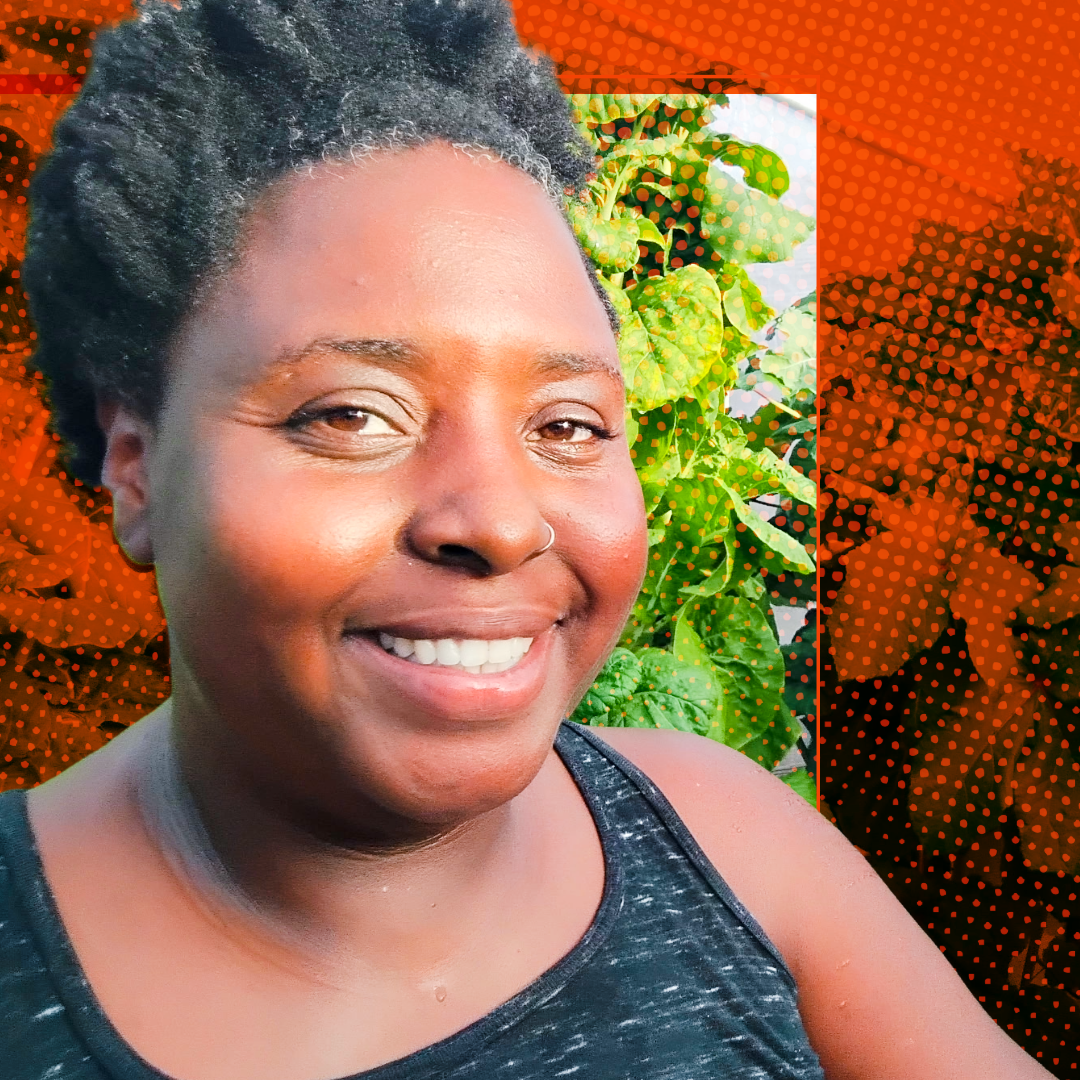
3. Melissa
At Hawaii Tower Farms, Melissa is exploring a different model for local food production—one that grows vertically rather than horizontally.
Tower farming uses aeroponic growing systems, where plants are suspended without soil and periodically misted with nutrient-rich water. This method allows crops to grow in vertical towers, dramatically reducing the land and water needed compared with conventional farming.
Through Hawaiʻi Tower Farms, Melissa helps families learn how to grow their own food using Tower Garden systems, while also producing fresh vegetables on-site. The farm specializes in aeroponically grown leafy greens and herbs, offering visitors the chance to purchase produce directly where it’s grown.
Looking ahead, Hawaiʻi Tower Farms plans to launch a weekly pick-your-own farm experience, inviting families to harvest vegetables directly from the towers and reconnect with the process of growing food.
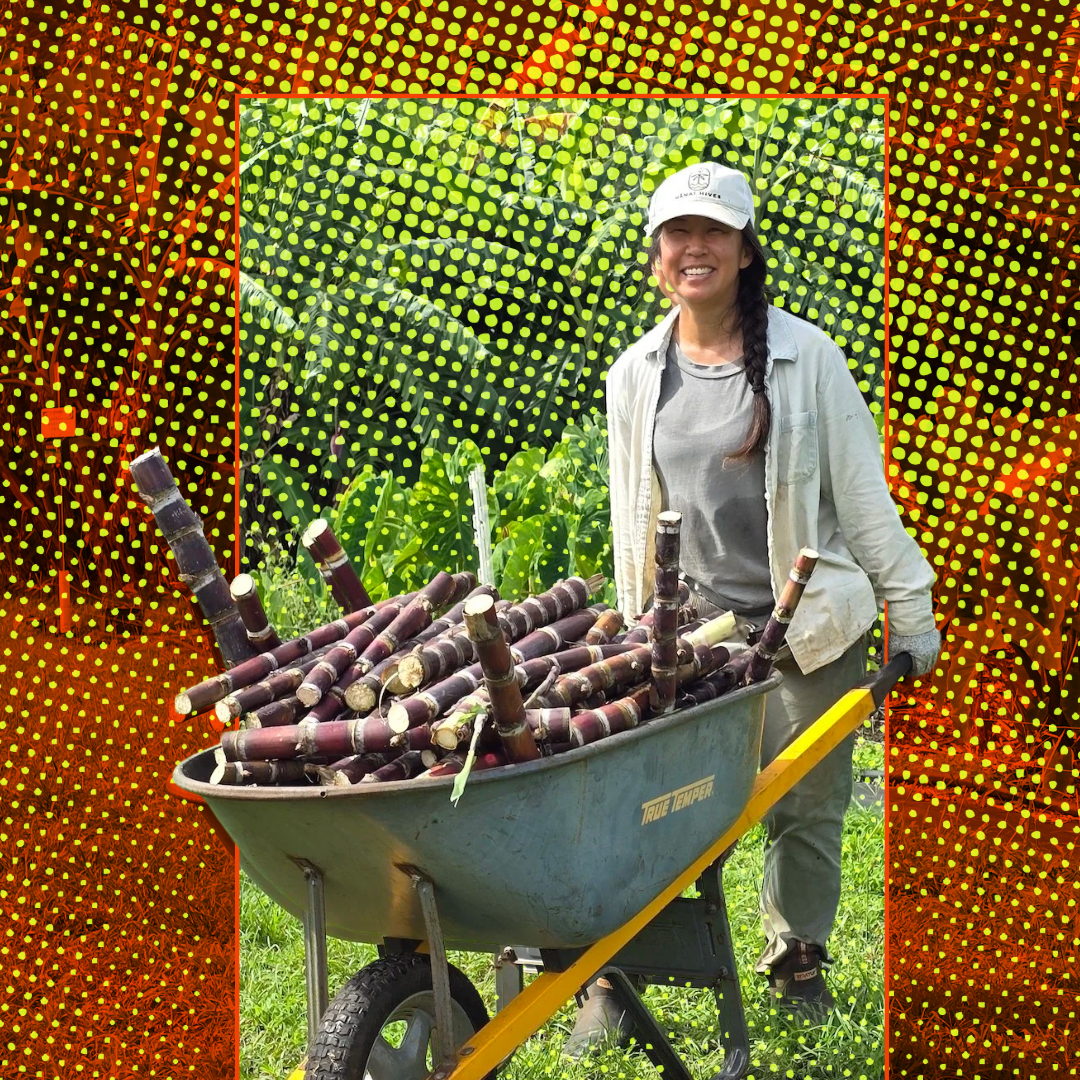
4. Sondra
After two decades working in the corporate world as a CPA and business management consultant, Sondra chose a dramatically different path—trading spreadsheets for seedlings and building a new life in agriculture.
Following her graduation from the GoFarm Hawaiʻi farmer training program in 2025, Sondra founded ABL Collective to create a shared platform that uplifts local farmers, fosters collaboration, and strengthens Hawaiʻi’s food system.
A proud graduate of Kaiser High School, Sondra now farms in Waimanalo as part of GoFarm’s incubator program. Her work reflects a hands-on commitment to learning what it takes to build a small-scale regenerative farm from the ground up.
Beyond growing food—including a napa cabbage crop she’s particularly proud of—Sondra also works to connect farmers and consumers through community-centered initiatives. ABL Collective hosts a Saturday farmers market in Hawaiʻi Kai, helping bring locally grown food directly to neighborhood communities.
Sondra’s long-term vision is to eventually farm in Kamilonui Valley, producing food for the same Hawaiʻi Kai community where she grew up.
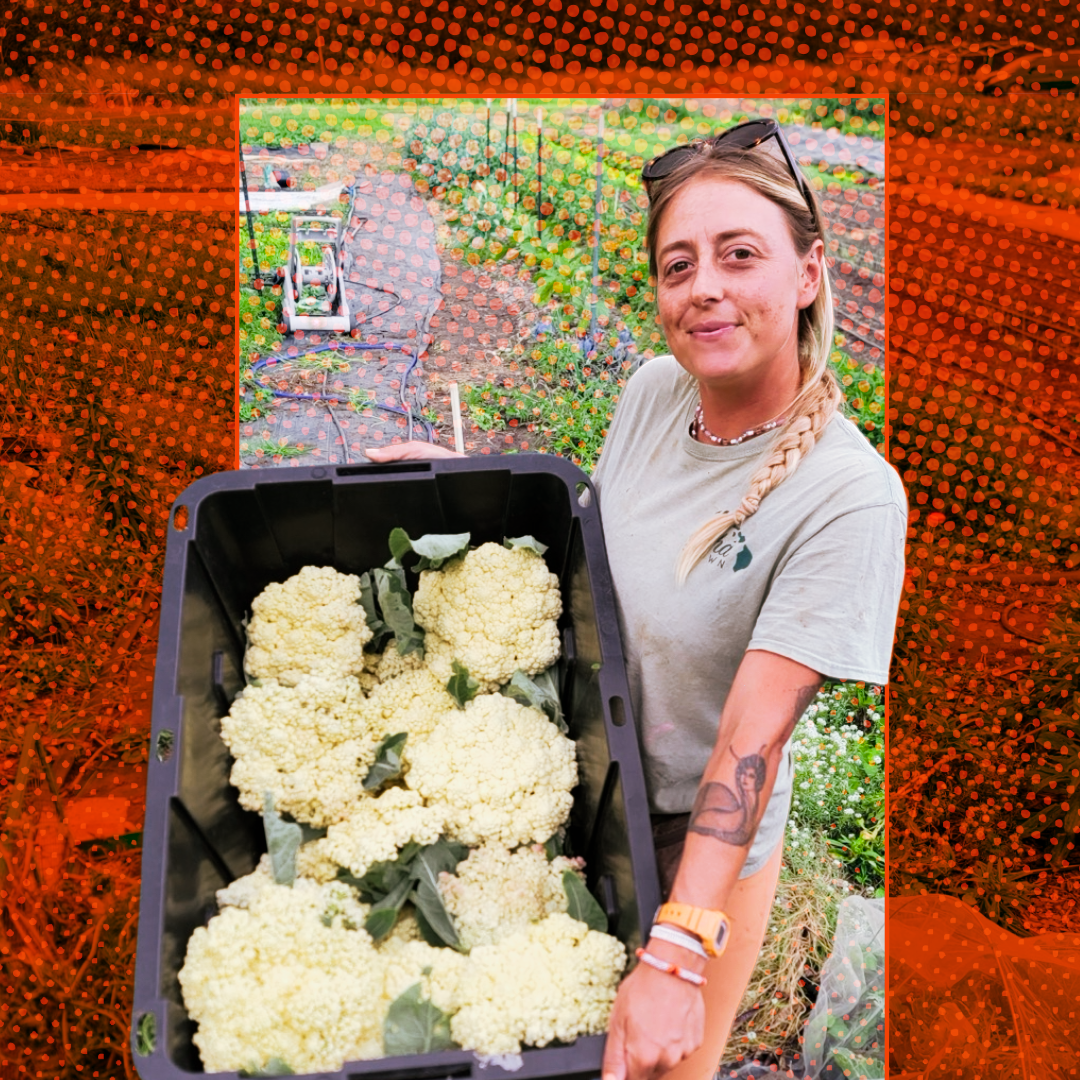
5. BECCA
At Root to Rise Farm, Becca approaches farming as a pathway toward resilience—for both people and the land that sustains them. Her work reflects a deep commitment to sustainable agriculture as a practical response to environmental stewardship and food security in Hawaiʻi.
“I’ve come to see that sustainable agriculture is one of the most direct and meaningful ways to build human resilience while also taking action to nurture and give back to our beautiful earth,” she shares. “I’m grateful to have found my life purpose as a farmer and look forward to continuing on this path to help strengthen our local food systems.”
This season at Root to Rise Farm includes purplette onions, along with late successions of spinach before the warmer months fully arrive. Becca is also expanding into seed production, focusing on varieties such as Poamoho pole beans, GoFarm Gold, and select flower varieties.
Beyond annual crops, the farm is working toward a longer-term vision: transitioning an orchard in Haleiwa into a syntropic agroforestry system. Plans include cover-cropping orchard alleyways, establishing an ʻulu windbreak, and planting native pollinator and lei flower hedgerows to support a diversified orchard of mango, avocado, banana, papaya, lilikoi, citrus, and ʻulu.
You can find Root to Rise Farm’s harvest at the Hawaii Kai Farmers Market and the Kailua Farmers Market, as well as through Mahiʻai Market, which connects local farms with restaurants across the island.
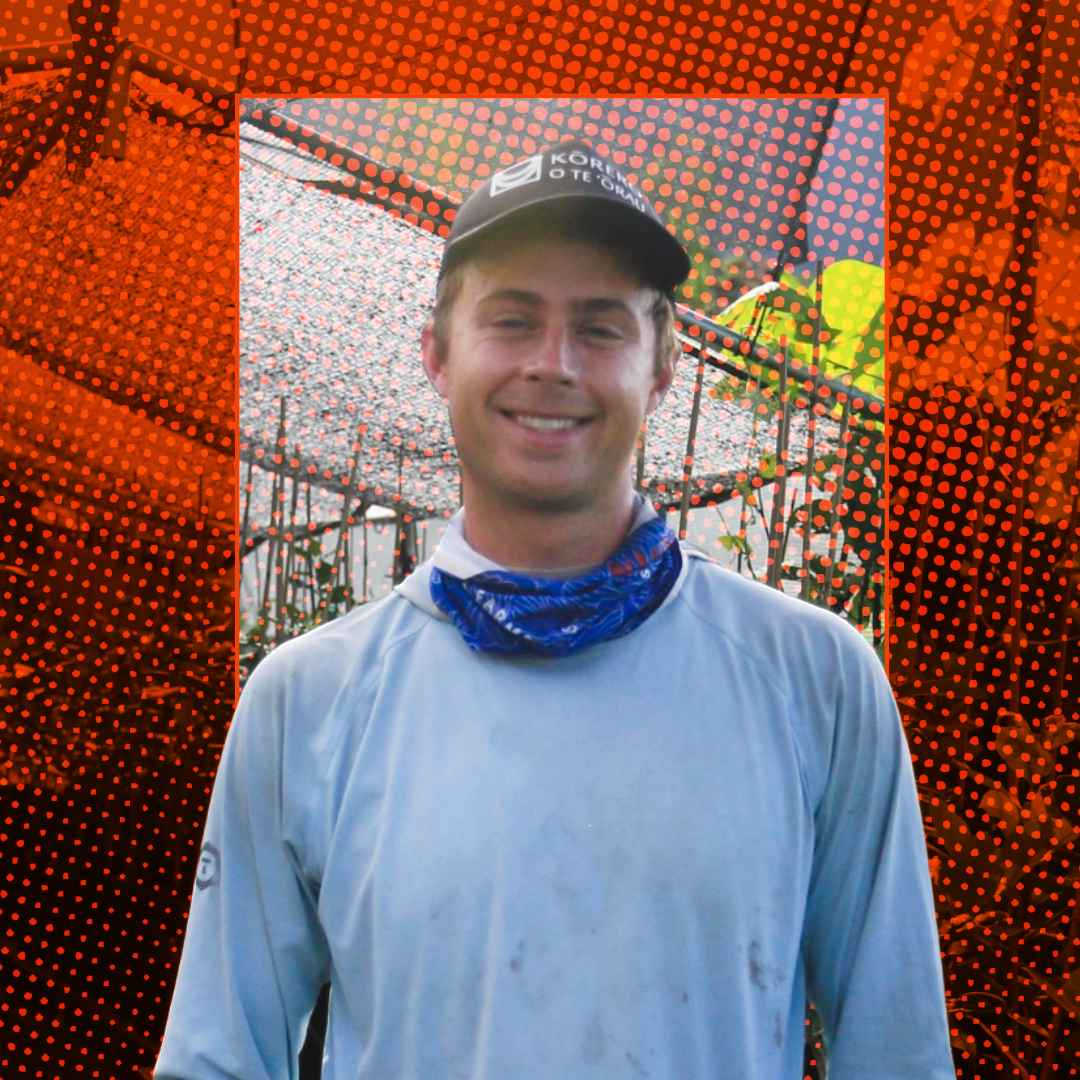
6. Ian
At Strata Farms, farmer Ian is exploring how much food can be grown in a small space by working with nature rather than against it. The farm’s name reflects its guiding concept: “strata,” or layers, inspired by natural ecosystems where trees, shrubs, and ground crops coexist in a dynamic, productive system.
Based in Honolulu, Strata Farms specializes in growing, harvesting, and processing 100% Hawaiʻi-grown māmaki tea, a traditional caffeine-free plant deeply rooted in Hawaiian herbal traditions. The farm uses raised beds enriched with compost and focuses on organic, nutrient-dense growing practices.
Beyond māmaki, Strata Farms is expanding its layered system with papaya, citrus, and additional crops as part of a longer-term agroforestry vision—one that mimics the resilience of natural forests while minimizing reliance on external inputs.
This season includes the planting of 150 papaya trees, expected to begin producing around the holiday season. Ian’s māmaki tea can currently be found at Kalapawai Market, with additional appearances at the Castle Farmers Market alongside Ahiki Acres, and at ABL Market Hawaii Kai.
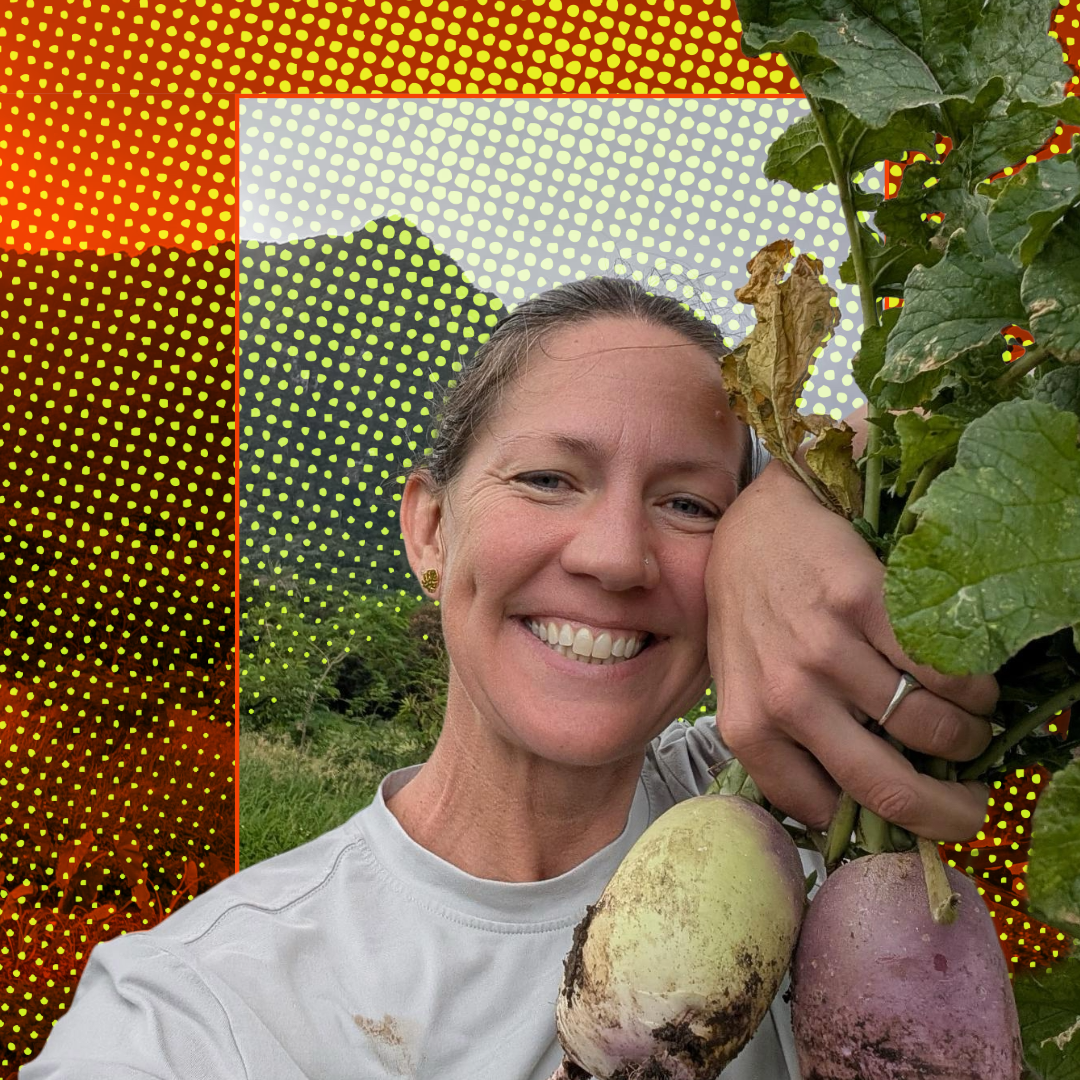
7. Rose
Rooted in the belief that nourishing soil leads to nourishing communities, Daley Greens focuses on growing vibrant vegetables that support both flavor and health. Farmer Rose brings a thoughtful approach to crop selection, with an emphasis on varieties that can support anti-inflammatory diets while still celebrating seasonal diversity.
At the heart of Daley Greens’ harvest are kohlrabi, specialty carrots, cilantro, and onions, along with other vegetables chosen for both culinary versatility and nutritional value. The farm’s produce can be found through community-supported agriculture (CSA) shares and on the menus of local partners such as The Boardroom.
Looking ahead, Rose is exploring ways to deepen the connection between farmers and eaters. Plans include establishing a U-pick style CSA model and expanding direct-to-consumer opportunities, creating spaces where people can engage more directly with the food they eat.
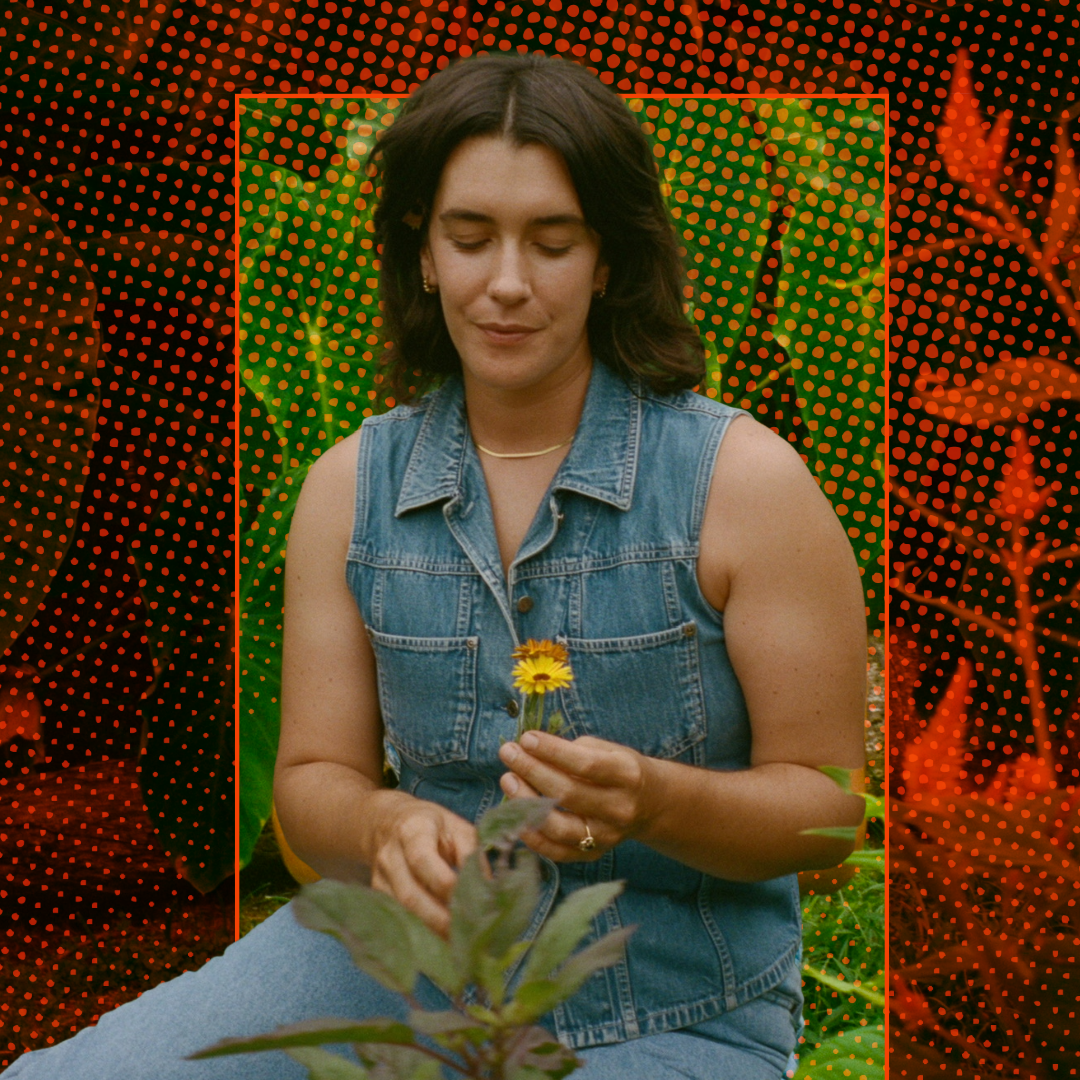
8. RACHEL
AGRICULTURAL EDUCATOR
At the intersection of education, farming, and community food systems, Rachel approaches agriculture as both a teaching practice and a lived relationship with land. As a GoFarm Hawaiʻi agricultural educator, she spends much of her time helping new growers learn the realities of farming—bridging the gap between theory and the day-to-day work of cultivating food.
Rachel brings a diverse background that spans organic production farming, agritourism, agricultural education, and animal husbandry. She spent three years working with Kahumana Organic Farms, where she also helped co-found and serve as Secretary for the Hawaiʻi Farmers Union United – Waiʻanae Chapter. Her work has also connected her with chefs, restaurants, and food system initiatives across Oʻahu, always guided by a simple goal: getting more local food onto the plates of local people.
Alongside her educational work, Rachel grows and supplies produce to local partners such as Island Boy and Gazoz. This season she is focused on establishing a lei flower field, an effort to support and strengthen lei flower culture while demonstrating the viability of smaller-scale commercial production. In time, the field is also intended to serve as a living plant repository, offering growers access to plant material and helping perpetuate lei traditions for future generations.
